
Unashamed Partnership
Minister's Letter: August 2025

Dear Grace Church,
During our Family Focus slots over the past number of weeks, we have been highlighting a number of new church plants. Learning about them has encouraged my own soul and I hope yours too.
A congregation shut its doors two years ago and this month, Hope Church Leith opens the doors of that building again, seeking to reach out to that part of North Edinburgh.
Three different congregations, none particularly large, saw a need for a new church in Tranent, on the coast east of Edinburgh. They sent out sacrificially to see that become a reality.
Merchant City held their first service today. Neil and David, the planters, saw a dearth of healthy churches in the Merchant City area of Glasgow, and so have stepped out in faith to plant one there. They have big plans, and thankfully they’ve got a bigger God with bigger plans than we might imagine.
What all these churches share is a commitment to the word of God, preaching it clearly and faithfully so all might hear the truth of the gospel. That’s something to encourage the soul.

“If God spare my life, ere many years pass, I will cause a boy that driveth the plow shall know more of the Scripture than thou dost."
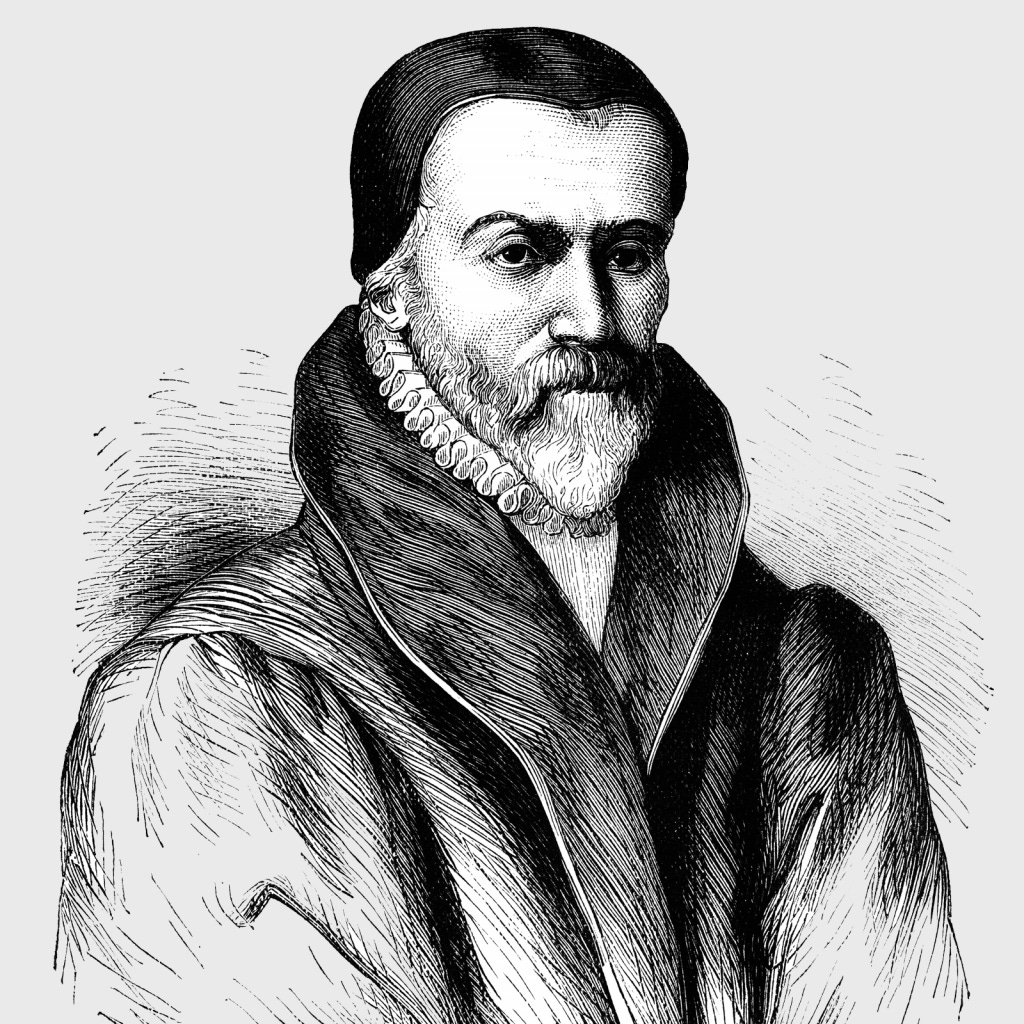
These are the words frequently attributed to William Tyndale, who when confronted by the Biblical illiteracy of local clergy, committed himself to make the word of God available and accessible to the people of England in their own tongue.
Tyndale’s is a story of adventure and affliction. Just about 500 years ago, Tyndale produced the first full translation of the New Testament into English. In doing this, he made good on his threat, making the Bible available for all English men and women to read and hear the word in their own heart language. For this he was arrested and eventually burned at the stake. His legacy lived on though, as prior to his work the Word had been locked behind Latin, a language very few people understood. But now, even the ploughboy could hear and understand it.
This morning (31st August), we explored Luke 14.1-24 together. In it, Jesus notices how those at the meal he is at, are jockeying for the best seats and positions. Jesus counters this heart attitude, discouraging them from only associating with those who might sustain and increase their social status. He calls on them to instead reach out to those with little influence, popularity or social capital. He cautions that a yearning for earthly status trinkets will mean forfeiting heavenly status and treasures.
This month it is not Tyndale I want to focus on but Humphrey Monmouth, a wealthy merchant from London. Tyndale had a remarkable competency with the Biblical languages of Hebrew and Greek, and the dogged determination to translate them into English. But he didn’t have the resources to commit his time to it. This is where Monmouth stepped in.
Monmouth had been persuaded early of the Protestant cause in the Reformation period, and wanted to support the translation of the Bible. He opened up his home, where Tyndale lived for six months as he laboured over the translation of the New Testament. There Tyndale was provided with writing materials and food to complete this work, which the two men saw as vital in the revitalisation of true religion.
When the pressure became too great for Tyndale, he moved to the continent, where he completed the translation of the New Testament. From there, 6,000 copies were printed and then secreted back into England. This was also supported financially by Monmouth and others.
Monmouth was arrested in May 1528. He was charged with smuggling and disseminating Luther’s works, supporting the translation of the Bible into English, helping with the printing and sharing of the English New Testament, and standing resolutely on the truth that we are saved by faith apart from works (see Romans 3.28). He ended up spending 12 months in prison in the Tower of London.
Tyndale’s single-minded devotion to his task meant that anyone associated with him would suffer along with him. Yet that did not deter Humphrey Monmouth. Tyndale would never be able to pay Monmouth back for his hospitality and patronage. But that was never the point. Monmouth partnered with Tyndale, for he knew that this work had eternal value. He was not taken with seeking the high places and maintaining his social status. Instead he supported any work that preached the gospel of the Humble King, who died to set us free (see Philippians 2.6-11).
In Christ,
Ciarán R. Kelleher
August Treat
A charmingly told story about the formation of the Proclamation Trust, which seeks to train, equip and encourage faithful teachers & preachers of the Bible:
Home Group: Luke 14.1-24
What attitude do the guests at the meal display towards Jesus (1-6)? Why does he caution them against taking the places of honour (7-8; see Proverbs 25.6-7)? Why is it so important we take the humble way and how do we take it (9-11)?
According to Jesus, what is the harm in inviting friends, family and rich neighbours to a feast you are hosting (12)? What is the motivation in inviting those who cannot pay you back (13-14)?
Is there anything wrong with the excuses being made in v18-20? Why might they try get out of the feast? Who else does the host invite and why is he so insistent (21-23)? How should we respond to Christ’s invitation to come into the Kingdom?